







Search Results for: Pulped natural
A Complete Guide to Brazil's Pulped Natural Process: Pectin Retention, Flavor Characteristics, and Its Connection to Honey Processing
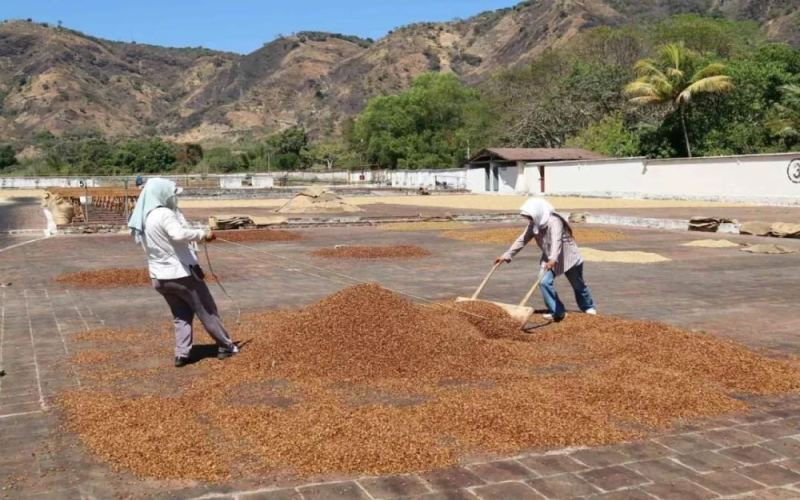
Among the three major coffee processing methods, natural and washed are easy to understand, but pulped natural (also known as semi-washed) often confuses people. This processing method was born in Brazil in 1990, and its proper name should be Pulped Natural, that is, the pulp natural method. It retains the step of removing the peel and pulp as in the washed method, while also drawing on the sun-drying method of the natural process. Because the soaking time is short, part of the pectin is retained, thereby saving water, shortening the drying cycle, and reducing the risk of infection. This article will explain in detail its background, processing flow, and flavor performance, and trace its origins with Costa Rican honey processing, while also introducing the specific information of a pulped natural Brazilian Red Bourbon from Front Street Coffee. [more…]
Brazilian Pulped Natural Processing Explained: The Pulped Natural Method and Its Similarities and Differences with Costa Rican Honey Processing
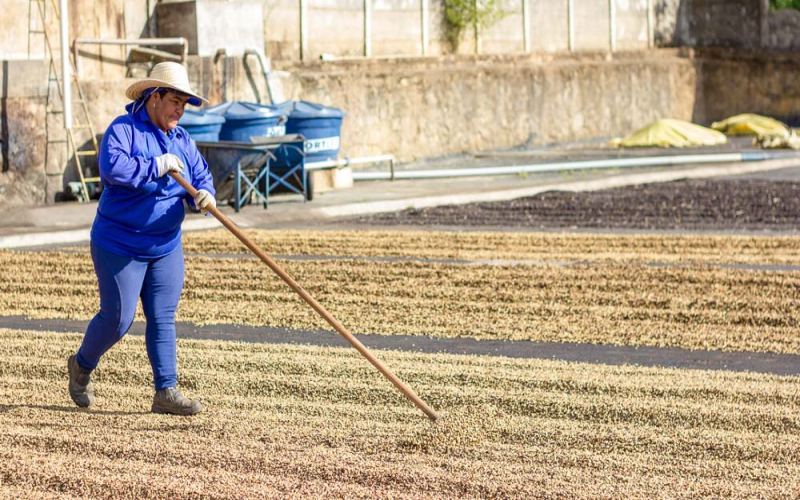
Among the many ways of processing green coffee, natural and washed have long been familiar to most people, while terms like semi-natural and semi-washed often cause confusion. In fact, semi-natural and semi-washed refer to the same process, whose accurate name is Pulped Natural. This processing method was born in Brazil in 1990, a product of local adaptation to conditions of scarce water resources. It retains the step of washed processing that removes the skin and pulp, while also relying on a short soak-fermentation followed by sun-drying with residual mucilage, thereby balancing water conservation with quality stability. In this article, Front Street Coffee will systematically sort out the origin of pulped natural, its specific process, and its influence on coffee flavor, and further explore how Costa Rican honey processing draws on this technique and develops its own characteristics, while illustrating with specific products such as Front Street Coffee Brazil Cerrado. [more…]
A Complete Guide to Coffee Processing Methods: Differences Between Natural, Washed, and Pulped Natural
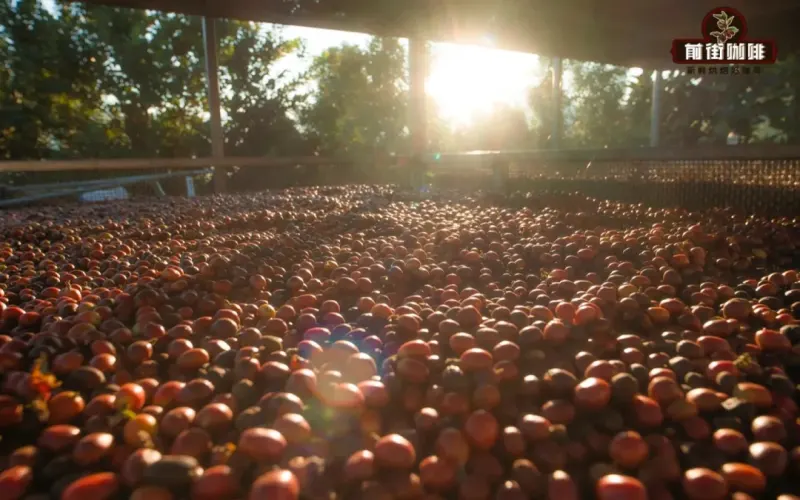
The flavor of coffee depends not only on origin and roasting—the processing method also plays a key role. As the oldest processing technique, the natural process uses sunlight and air to dry the fruit. The washed process, invented by the Dutch in the 18th century, removes the mucilage by soaking in water, resulting in a clean, bright cup. So what exactly are semi-natural, semi-washed, pulped natural, and pulped natural, which fall somewhere in between? They actually all refer to the same processing method, created by Brazil to suit local conditions, balancing cleanliness and water conservation. This article will systematically sort out the origins, procedures, and differences of these processing methods, analyze the subtle distinctions between honey processing and pulped natural, and finally share the brewing and flavor notes of Front Street Coffee's Brazil Cerrado semi-natural. [more…]
Coffee Processing Methods | Wet-Hulled, Semi-Washed, Honey Process, Pulped Natural — Detailed Steps, Flavor and Mouthfeel Comparison of Coffee Beans
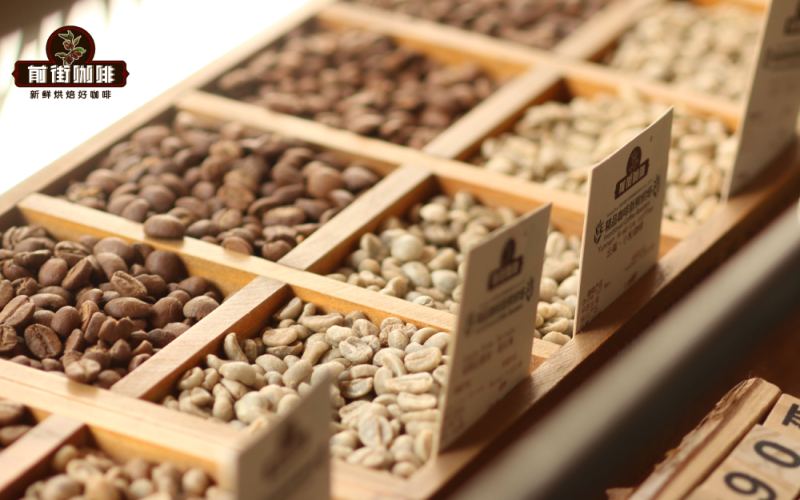
We all know that different processing methods can give coffee a rich and varied flavor profile. For example, Front Street Coffee's bean list alone features dozens of varieties, covering more than ten different processing methods. Today, Front Street will focus specifically on wet-hulled, semi-washed, and pulped natural [more…]
Wet-Hulled, Semi-Washed, Pulped Natural, and Honey Process: A Complete Analysis of the Flavor Differences Among Four Coffee Processing Methods
Following our previous discussion of the two major processing methods—natural and washed—this time we turn our attention to several post-harvest processes that fall between them: wet-hulled, semi-washed, pulped natural, and honey processing. How is each of these methods carried out? And what impact do they have on coffee flavor? We'll still start with the structure of the coffee cherry: from the outside in, the fruit consists of the outer skin, pulp, mucilage, parchment layer, silver skin, and the coffee bean seed itself. The core goal of all processing methods is simply to remove the outer layers and extract the seed. However, differences in the method, timing, and degree of removal lead to vastly different results in the cup. This article will break down these processing methods one by one—their procedural details, flavor tendencies, and the subtle connections between them—to help coffee enthusiasts more clearly understand the key role processing plays in shaping flavor. [more…]
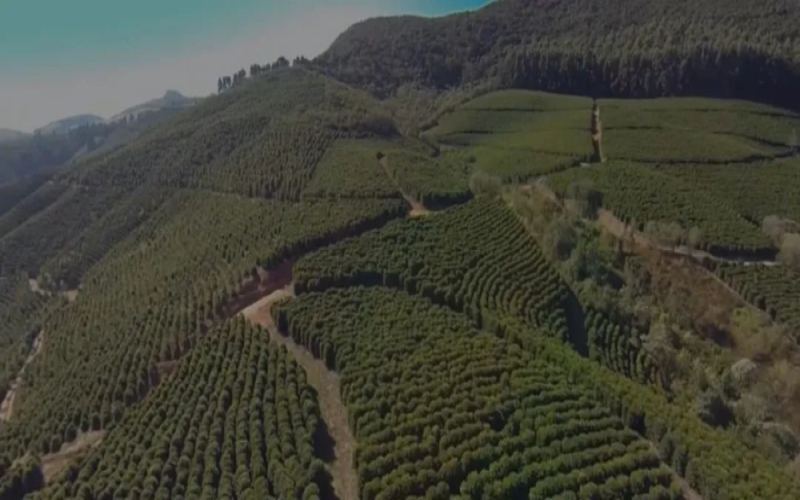
Analysis of Brazil's Pulped Natural Process: Flavor Characteristics, Processing Advantages, and Major Specialty Regions
As the world's largest coffee producer, Brazil has also developed its own distinctive processing methods, among which the Pulped Natural method sits somewhere between washed and natural. This article will outline the specific steps of pulped natural processing, its advantages over traditional natural processing, and the distribution of Brazil's main specialty coffee regions. It will also draw on two beans currently sold by Front Street Coffee—Brazil Cerrado and Queen's Farm—to help readers understand how this processing method performs in actual cupping. [more…]
Analysis of the Brazilian Pulped Natural Process: A Guide to South Minas Coffee Varieties, Flavor Profile, and Grind Settings
Brazil, as a major producing country on the global coffee map, is arguably second only to Ethiopia in the diversity of its processing methods. Among them, the South Minas region, with its inclusiveness in running semi-washed, natural, and washed processes in parallel, has become the core producing area for Brazilian specialty coffee. This article focuses on Front Street Brazil South Minas coffee beans, systematically reviewing the technical characteristics and flavor advantages of the semi-washed method, and extending to the processing preferences of regions such as Cerrado and the hilly lands of North-Central Minas, while also analyzing the lineage and cup profile of Santos and Bourbon varieties, giving you a comprehensive understanding of this bean's variety, processing method, and grinding setting choices. [more…]
Brazilian Single-Origin Coffee Bean Recommendations: Analysis of the Pulped Natural Process, Flavor Characteristics, and Pour-Over Parameters
Brazil is the world's largest coffee-producing country, but due to its relatively low altitude and flat terrain, not many beans truly make it into the ranks of specialty single-origin coffees. Brazilian estates have adapted to local conditions, cultivating improved Arabica varieties that do not require high-altitude shade, and developing a distinctive semi-washed processing method. This article focuses on the growing conditions of Brazilian coffee regions, the complete semi-washed process and its advantages and disadvantages, and also introduces two Brazilian single-origin beans brought in by Front Street Coffee—Cerrado Red Bourbon and Queen's Farm Yellow Bourbon—along with the corresponding pour-over brewing parameters, helping coffee enthusiasts gain a comprehensive understanding of the flavor profile of Brazilian semi-washed coffee. [more…]
An In-Depth Look at the Flavor Profile of Brazil's Queen's Farm Yellow Bourbon Pulped Natural Coffee and Its COE Award Journey
The Queen Estate in Brazil's Mogiana region, as a frequent winner at the COE Cup of Excellence, cultivates Yellow Bourbon varieties using the pulped natural process, revealing a complex flavor profile interweaving orange peel spice, roasted hazelnut and cinnamon, citric acidity, and sugarcane sweetness. This article provides a detailed record of the estate's glorious track record in COE competitions from 2000 to 2014, and introduces the Carvalho Dias family's management legacy since 1890. Front Street Coffee's Brazil selection features this 100% Yellow Bourbon pulped natural green bean, taking you to experience the Queen Estate's silky, delicate mouthfeel and lingering finish. [more…]
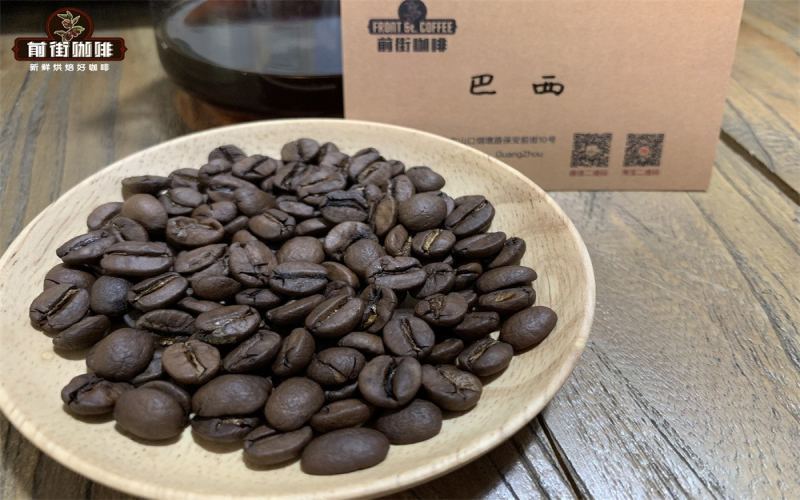
Analysis of Brazilian Coffee Bean Flavor Characteristics and the Pulped Natural Processing Method: Is Arabica Suitable for Pour-Over?
As the world's largest coffee producer, Brazil is known for its coffee beans with low acidity, nutty and chocolate flavors, and a smooth mouthfeel, making them suitable for both blends and single-origin brews. This article explores Brazil's coffee-producing regions, main varieties, and pulped natural processing method, offering an in-depth analysis of the flavor characteristics of Brazilian coffee beans and discussing whether they are suitable for pour-over coffee. It also combines Front Street Coffee's Brazilian everyday beans and Queen Coffee to provide specific brewing parameters and flavor descriptions, helping coffee enthusiasts fully appreciate the charm of Brazilian coffee. [more…]
Analysis of the Evolution of Brazilian Coffee Regions and the Pulped Natural Process, Plus Brewing Parameters for Queen Farm's Yellow Bourbon
Brazil, as the world's largest coffee-producing country, has profoundly influenced the global coffee landscape through the development of its producing regions, the evolution of processing methods, and the cultivation of varieties. From the perspective of Front Street Coffee, this article traces the historical thread of Brazilian coffee from natural processing to the uniquely invented semi-washed (pulped natural) method, analyzes the terroir characteristics of three major specialty regions—Sul de Minas, Cerrado, and Mogiana—and provides a detailed introduction to major varieties such as Red Bourbon, Yellow Bourbon, Mundo Novo, and Yellow Catuai. At the same time, using Queen's Farm Yellow Bourbon as an example, it presents Front Street's recommended pour-over extraction parameters and three-stage pouring technique, helping coffee enthusiasts gain a more comprehensive understanding of the nutty flavor and full-bodied mouthfeel of Brazilian coffee. [more…]
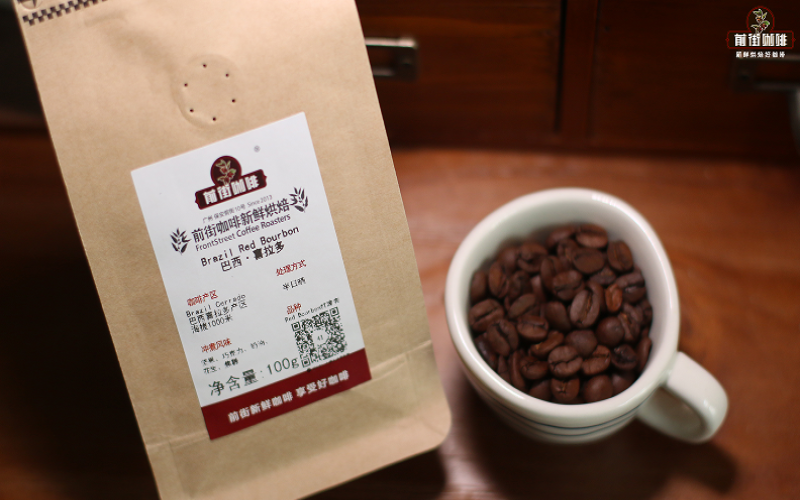
A Complete Guide to Brazilian Cerrado Coffee: Variety Flavor Analysis, Pour-Over Grind Parameters, and Brewing Steps
As the world's largest coffee-producing country, Brazil's consistent quality makes it the cornerstone of espresso blends, and the Cerrado region stands out among many producing regions for its meticulous processing and exceptional flavors. Starting from Front Street Coffee's everyday beans, this article systematically reviews the Cerrado region's geographical and climatic characteristics, the flavor differences between the two major varieties Red Bourbon and Yellow Bourbon, and the evolutionary logic of the pulped natural processing method. It also discloses in detail the complete parameters of Front Street's Brazilian coffee brewing—KONO dripper, 88°C water temperature, 1:15 coffee-to-water ratio, and staged pouring technique—along with a flavor comparison between pulped natural Cerrado and natural Queen Estate, helping coffee enthusiasts fully understand the rich sweetness and nutty notes of Brazilian coffee. [more…]
Nutty and Cocoa-Forward Coffee Beans Without Acidity: Brazil Queen's Estate Yellow Bourbon Flavor, Pulped Natural Processing, and Pour-Over Parameters Explained
For those who enjoy nutty, cocoa-toned coffee without wanting noticeable acidity, the Yellow Bourbon from Brazil's Queen's Farm is often an unavoidable choice. It comes from the high-altitude Mogiana region of Brazil, bringing with it a clean sweetness and a brown-sugar-like finish, making it highly recognizable among Brazilian beans. This article focuses on the Brazil Queen's Farm Yellow Bourbon coffee beans offered by Front Street Coffee, outlining the estate's background, the characteristics of the Yellow Bourbon variety, the semi-washed processing method, as well as Front Street's green bean analysis, roasting insights, and in-store brewing parameters, helping coffee lovers understand why this bean presents a rich nutty and cocoa flavor with a balanced, smooth, and low-acid taste, and providing a reproducible pour-over extraction approach. [more…]
Wet-Hulled, Pulped Natural, and Honey Processing: An In-Depth Analysis of Three Major Green Coffee Processing Methods
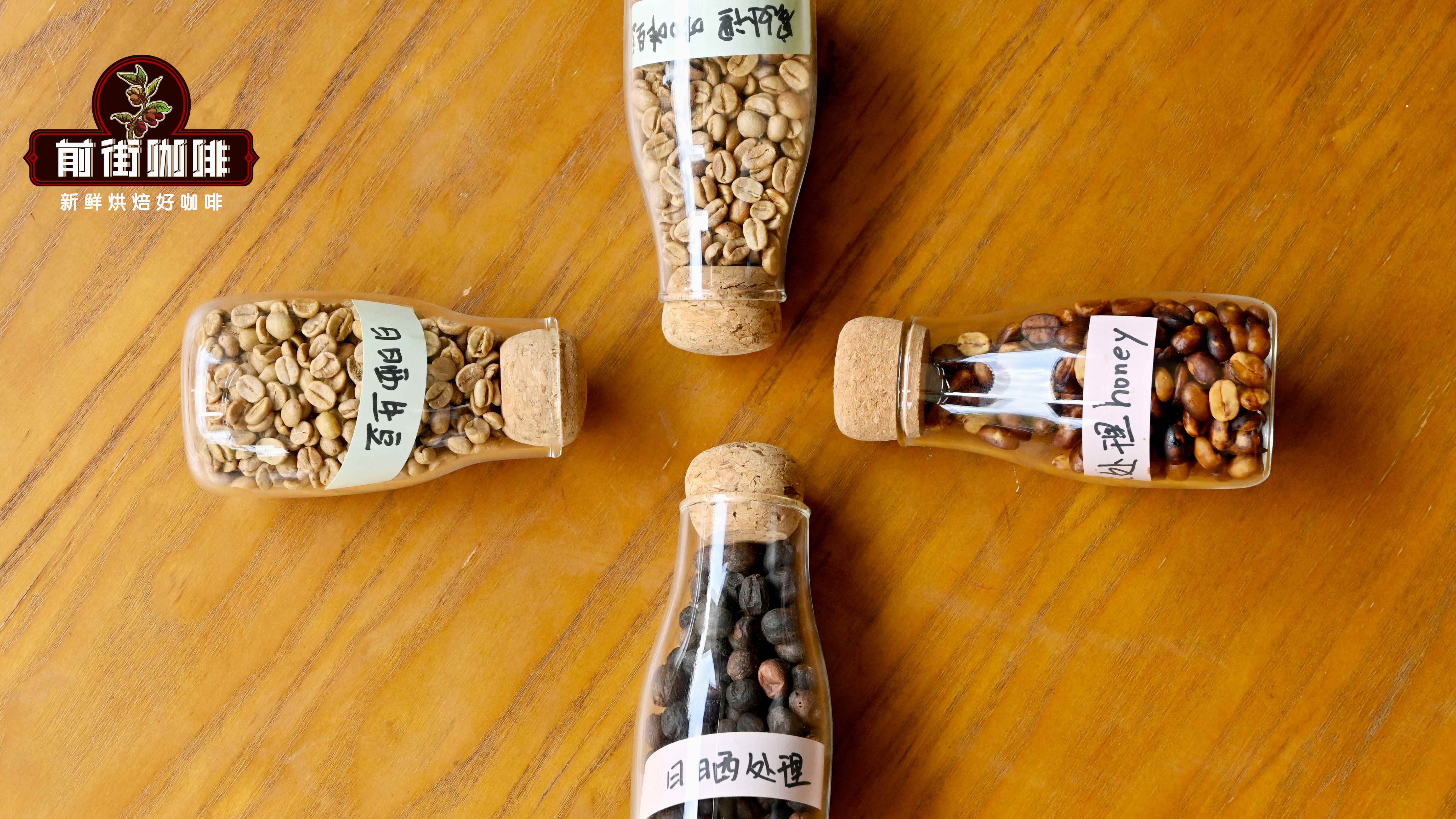
Coffee processing methods determine the flavor direction of green beans. Besides the common natural and washed methods, there are three processing methods that fall in between: Indonesian wet-hulled, Brazilian pulped natural, and Central American honey. Each was born in response to the climate and water resource conditions of its origin, and they present distinctly different expressions in acidity, sweetness, and body. This article will break down the principles and processes of these three processing methods one by one, and, in combination with specific beans such as Front Street Golden Mandheling, Front Street West Java Arumanis Estate, and Front Street Costa Rica Sumava Estate Black Honey Caturra, explain how processing methods shape the flavor in the cup. Finally, a complete comparison of acidity, sweetness, production risk, equipment cost, and water usage is attached. [more…]
Analysis of Brazil Queen Estate Coffee Bean Flavor: A Full Guide to Medium Roast Nutty Sweetness and Pulped Natural Processing
Brazil, as the world's largest coffee producer, is known for its low acidity, nutty notes, and balanced, full-bodied character. This article focuses on the Brazil Red Fruit and Queen's Estate Yellow Bourbon from Front Street Coffee's everyday beans series. Starting from the medium-roast nutty, chocolate, and creamy flavors, it systematically reviews the historical development of Brazilian coffee, the main varieties (Red Bourbon, Yellow Bourbon, Mundo Novo, Catuai), the four core producing regions (Minas Gerais, São Paulo, Bahia, Espírito Santo) and their sub-regions (South Minas, Cerrado, Mogiana), and provides an in-depth analysis of how Brazil's original pulped natural process enhances cleanliness and ripeness. At the end, it offers hand-brewing parameters and a three-stage pouring method for the Queen's Estate Yellow Bourbon, helping coffee enthusiasts recreate its sugarcane sweetness and dark chocolate finish at home. [more…]
Brazilian Coffee Bean Regions, Varieties, and Brewing Techniques: Flavor Analysis from Cerrado Bourbon to Pulped Natural Processing
As the world's largest coffee producer, Brazil is known for its low-acid, balanced, nutty and chocolatey flavor profile. This article systematically examines the terroir differences among Brazil's four major producing regions—Minas Gerais, Cerrado, Sul de Minas, and Mogiana—explains in detail the characteristics of Red Bourbon and Yellow Bourbon varieties, and traces the evolution of the pulped natural processing method. At the same time, using Cerrado pulped natural Red Bourbon as an example, it provides pour-over extraction parameters and step-by-step instructions for medium-dark roasted beans, helping coffee enthusiasts recreate a cup of smooth and mellow Brazilian flavor at home. [more…]
A Full Analysis of Brazilian Coffee Beans: Flavor Characteristics, Major Producing Regions, the Pulped Natural Process, and Brewing Suggestions
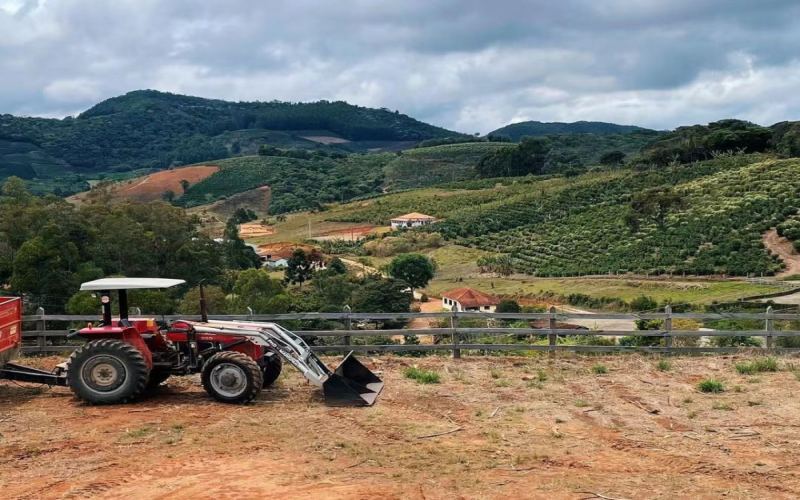
Brazil is the world's largest producer of Arabica coffee, supplying both large volumes of commercial beans and specialty coffee. Because of its flat terrain and lack of microclimates, Brazilian beans typically have lower acidity, with flavors dominated by nuts, caramel, and chocolate. After cupping many Brazilian beans, Front Street Coffee often uses a medium-dark roast to highlight their balanced, full-bodied character. This article will systematically introduce the characteristics of Brazilian coffee beans from aspects such as the climate of the producing region, specialty-producing areas, representative bean varieties, the pulped natural processing method, and pour-over extraction parameters, while retaining Front Street Coffee's product and brewing recommendations to help coffee lovers understand the flavor logic of Brazilian coffee more comprehensively. [more…]
Brazil Mogiana Queen Estate Sun-Dried Yellow Bourbon COE Specialty Beans: Full Analysis of Grading and Pricing, Green Bean Information, and Roasting & Brewing
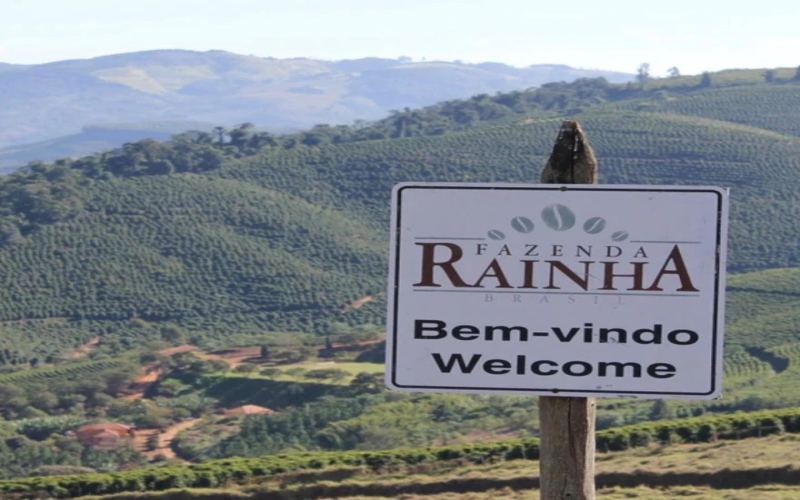
Fazenda Rainha is located in the highlands of Mogiana in São Paulo State, Brazil, and is a well-known estate under the Carvalho Dias family that has won numerous COE awards. The estate focuses on Bourbon varieties, with some old trees over a century old, at elevations as high as 1,200 to 1,400 meters, and an average annual temperature of only 19°C. The fruit grows slowly but is dense in texture, with flavor far surpassing that of ordinary Brazilian highland beans. Front Street Coffee's Brazil Queen Estate Yellow Bourbon is hand-picked and processed using the semi-dry method; the beans are sweet and clean, with bright yet gentle acidity, featuring tropical fruit aromas, creamy nuttiness, and a black tea finish. This article will provide a complete analysis of the unique charm and price positioning of this COE specialty coffee, from the estate's background, the COE grading system, and green bean processing procedures to roasting recommendations and brewing parameters. [more…]
Brazil Queen's Farm Yellow Bourbon Coffee Beans: Analyzing the Tropical Fruit Flavor and Pulped Natural Processing of a COE Perennial Winner
Fazenda Rainha is a legendary coffee estate owned by the Carvalho Dias family. It has won numerous awards since the first Brazil Cup of Excellence competition in 1999, and even took first place in 2011. The estate is located in a volcanic valley in the Mogiana region of São Paulo State, at an altitude of 1,400 to 1,950 meters. The Yellow Bourbon variety is entirely hand-picked and processed using the pulped natural method, creating a unique flavor profile that is sweet, clean, bright in acidity, and has tropical fruit aromas. Front Street Coffee's Fazenda Rainha coffee beans have a rich nutty aroma and a balanced taste, suitable for various brewing methods such as moka pot, Americano, siphon, and drip bags, and can be purchased at the Front Street Tmall flagship store. This article will provide a comprehensive analysis of the estate's background, processing techniques, award records, roasting analysis, and pour-over parameters, taking you deeper into this exemplary Brazilian specialty coffee. [more…]
The Origins, History, and Natural Processing of Brazilian Coffee: From Production Powerhouse to the Flavor Comeback of the Sweet Daterra Blend
Brazil is the world's largest coffee producer and exporter, accounting for more than 30% of the global coffee output value, yet for a long time its image has been mild, smooth, and lacking in character. Starting from the history and culture of Brazilian coffee, this article sorts out the evolution of its topography and climate, variety characteristics, and processing methods, focusing on how the quality revolution of the 1990s gave rise to the pulped natural method, and how Daterra Estate broke the stereotype of Brazilian coffee as mediocre through technology-driven management and its "Sweet Collection." The article also retains the "Front Street" brand recommendations and product information, making it suitable for coffee enthusiasts who want an in-depth understanding of the flavor code of Brazilian coffee. [more…]